Tackling Food Insecurity: The Evolving Role of the Food Bank in Columbia
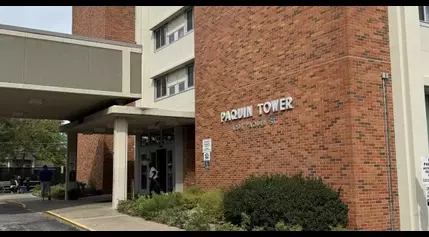
The Food Bank for Central and Northeast Missouri has been a steadfast pillar of the Columbia community, providing vital assistance to those in need. However, a recent shift in their service model has sparked concerns among residents of the Paquin and Oak Towers, who have relied on the Food Bank's mobile pantry for years. As the organization adapts to better serve the area, key stakeholders are working to ensure that the needs of these vulnerable communities are met.Empowering Residents Through Food Access
The Food Bank's mobile pantry service has long been a lifeline for the residents of Paquin and Oak Towers, offering a convenient and consistent source of food assistance. By bringing the pantry directly to these low-income housing communities, the Food Bank has played a crucial role in increasing food access for those who may have limited mobility or transportation options.
A Shift in Service Model
The decision to discontinue the mobile pantry service in these locations was not taken lightly by the Food Bank. The organization cites the opening of its new market on Business Loop as the primary reason for the change, as it now falls within a mile of the Paquin and Oak Towers. The Food Bank believes that this proximity provides residents with better access to the wider range of food choices and consistency of service available at the brick-and-mortar location.
Resident Concerns and Outreach Efforts
However, the abrupt nature of the service change has left many residents feeling blindsided and concerned about the impact on their food security. Paquin Towers resident Michael Moran expressed his disappointment, noting that the mobile pantry was a vital resource for the community and that the loss of this service "really hurts us because we have no way of transporting a lot of people here."In response, the Food Bank has emphasized its efforts to engage with the residents and the Columbia Housing Authority to ensure a smooth transition. They claim to have conducted extensive outreach, providing materials and support to help residents plan for the changes and understand the alternative options available to them.
Exploring Alternative Solutions
The Columbia Housing Authority has recognized the need to address the concerns of its residents and is actively exploring both short-term and long-term solutions to bridge the gap between food access and accessibility.In the short term, the Authority is working alongside the Food Bank to identify additional measures that can provide more immediate food assistance on-site for residents. This may include the establishment of a dedicated food pantry space within the Paquin Towers building, allowing residents to access food resources without the need for transportation.Looking ahead, the Housing Authority is also exploring long-term solutions to address the broader issue of food insecurity faced by its residents. This may involve the creation of larger, dedicated food pantry spaces within the Paquin and Oak Towers properties, ensuring that residents have consistent and convenient access to a variety of nutritious food options.
Empowering Residents through Proxy Shopping and Delivery
While the discontinuation of the mobile pantry service has undoubtedly created challenges for some residents, the Food Bank has also taken steps to ensure that those who are unable to travel to its brick-and-mortar location can still access the necessary food resources.The organization now offers a "shopping by proxy" service, allowing residents to make their food selections remotely and have them delivered to their homes. Additionally, the Food Bank has partnered with DoorDash to provide a monthly delivery service, ensuring that those with limited mobility or transportation can receive a consistent supply of food without the need to leave their homes.These alternative solutions, combined with the ongoing efforts of the Columbia Housing Authority and the Food Bank, demonstrate a commitment to addressing the evolving needs of the Paquin and Oak Towers communities and ensuring that no one is left behind in the quest for food security.