
Empowering Communities through Collective Giving
Giving Circles: A Definition
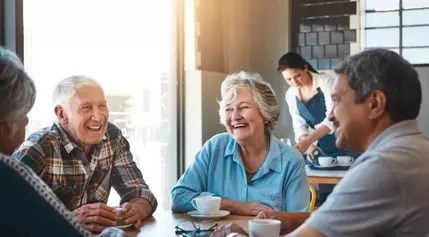
Giving circles are groups of people with shared values and interests who pool their donations and decide together where to allocate their funds. They can vary greatly in size, from as few as two individuals to over 1,200 members like the Women's Fund of Santa Barbara. The causes supported also range widely, from health and education to community development and human rights.For example, Readers Reaching Out in Reno, Nevada, is an eight-member book club that pools their money to donate to nonprofits they've learned about through their reading. On the other hand, Ninety-Nine Girlfriends in Portland, Oregon, is an organized group of 334 "girlfriends" making sizable grants to nonprofits addressing local needs.
The Impact of Giving Circles
A comprehensive 2023 report, "In Abundance: An Analysis of the Thriving Landscape of Collective Giving in the U.S.", revealed that nearly three-quarters of giving circles earmark funds to stay in their home state and community. 92% of group members are women, highlighting the significant role they play.Take Together Women Rise, for instance. It began in 2003 with a group of women in Greenville, South Carolina, pooling their money from potlucks and donating to nonprofits. Today, it has raised over million and made a difference in the lives of five million women and girls in over 70 countries. Many giving circles are part of larger networks like the 100 Who Care Alliance, while others are independent like Moving Mountains Giving Circle.
The Benefits of Giving Circles
Giving circles offer numerous advantages. They foster a sense of belonging, purpose, and connection to a community. According to the "In Abundance" study, 82% of members join to establish relationships with like-minded people. Other benefits include an increased sense of purpose in life, an enhanced ability to live one's values, greater agency and civic engagement, and a better understanding of community needs.Individuals join giving circles to amplify their impact. Since 2017, nearly 4,000 giving groups representing 370,000 individuals have collectively donated more than billion. Giving circles also provide "peer accountability", where like-minded individuals help each other stay committed to their giving goals.
Democracy and Diversity in Giving Circles
Giving circles serve as an opportunity for practicing democracy. People with different viewpoints come together, have discussions, and reach agreements through a democratic process. These groups are also more racially diverse than the general population, adding depth to discussions and ensuring that smaller and more diverse organizations and causes get funded.How to Become a Giving Circle Member
There are two ways to join the collective-giving bandwagon. You can either join an existing circle or start your own. The Global Giving Circle Directory, a joint effort of Philanthropy Together and Grapevine, is a great place to start. If you decide to form your own group, start with a conversation and find friends with a shared desire to make an impact. Grapevine and Philanthropy Together offer free tools and assistance to help you get started.As Rasmussen says, "It's one of the most impactful things you can do as an everyday donor. I think everyone should be in a giving circle."